Introduction: The World We Forgot How to See
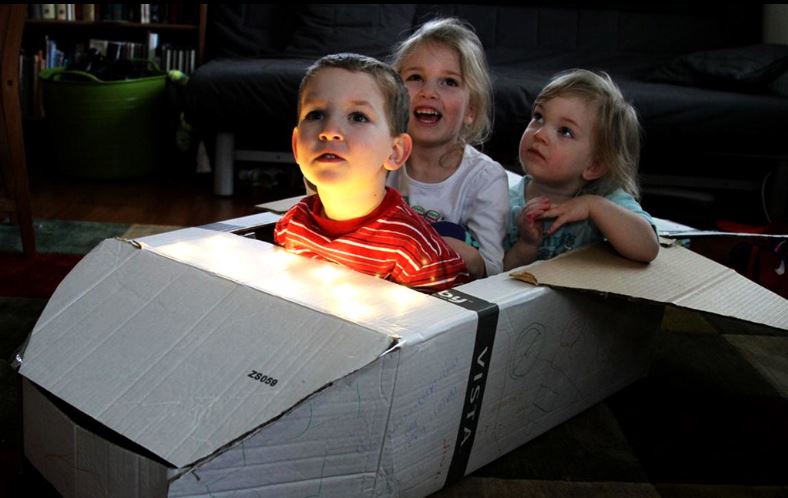
If you watch a child playing quietly, it may look simple maybe even meaningless. A stick becomes a sword, a box becomes a house, and suddenly they’re talking to someone who isn’t even there.
To an adult, this might seem like “just play.”
But to a child, this is a whole world.
Creative play is not noise, not distraction, and not wasted time. It is how children explore reality, express emotions, solve problems, and understand life long before they can explain it in words.
The truth is, most adults don’t ignore creative play on purpose—they simply don’t see what’s really happening.
This article will take you inside that hidden world and help you understand why creative play is one of the most powerful tools in a child’s development.
What Is Creative Play (Beyond the Obvious)
Creative play is any type of play where a child uses imagination, ideas, and originality.
But it’s more than just “pretending.”
It includes:
- Making up stories
- Turning objects into something else
- Acting out roles (like parent, teacher, hunter, doctor)
- Creating games with no fixed rules
- Drawing, building, and experimenting
Creative play has no strict structure. It is driven by the child not by instructions.
Why Adults Often Miss Its Importance
Many adults unintentionally overlook creative play because:
- It looks unstructured
- It doesn’t produce immediate results
- It can be messy or noisy
- It doesn’t look like “learning”
We are used to measuring progress through clear outcomes grades, skills, or visible achievements.
But creative play works differently.
It builds things you cannot see immediately, such as:
- Imagination
- Confidence
- Emotional understanding
- Problem-solving ability
- Inside a Child’s Mind During Creative Play
When a child is deeply engaged in creative play, something powerful is happening internally.
- They Are Creating Meaning
A stick is not just a stick it becomes something important. This shows the brain is learning symbolic thinking.
- They Are Solving Problems
“How do I build this?”
“What happens next in my story?”
These questions build reasoning skills.
- They Are Expressing Emotions
Children often act out feelings they don’t yet understand fear, excitement, frustration.
- They Are Practicing Real Life
Through play, children rehearse situations:
- Talking to others
- Handling conflict
- Exploring roles
The Different Forms of Creative Play
Creative play shows up in many forms, and each one supports development differently.
- Imaginative (Pretend) Play
This is when children create scenarios and roles.
Examples:
- Playing house
- Acting as a teacher
- Pretending to cook or hunt
What It Builds:
- Social skills
- Emotional understanding
- Language development
- Constructive Play
This involves creating something.
Examples:
- Building with blocks
- Making structures from random objects
- Drawing or crafting
What It Builds:
- Problem-solving
- Fine motor skills
- Creativity
- Exploratory Play
This happens when children experiment with materials.
Examples:
- Playing with sand or water
- Mixing things
- Taking objects apart
What It Builds:
- Curiosity
- Scientific thinking
- Understanding cause and effect
- Story-Based Play
Children create stories and act them out.
Examples:
- Telling imaginary stories
- Using toys as characters
What It Builds:
- Language skills
- Memory
- Creativity
Why Creative Play Is More Important Than Structured Learning (Early Years)
- Structured learning teaches children what to think.
- Creative play teaches children how to think.
That difference is powerful.
Creative Play Develops:
- Independent thinking
- Flexibility
- Innovation
- Confidence
These are skills that last a lifetime.
The Role of Environment in Creative Play
Children don’t need expensive toys to be creative.
In fact, too many structured toys can limit imagination.
Better Alternatives:
- Sticks
- Boxes
- Fabric
- Simple tools
- Open space
The simpler the environment, the more the imagination works.
The Mistake of Over-Directing Play
Many adults try to guide play too much:
- “Do it like this”
- “No, that’s wrong”
- “Play properly”
This can reduce creativity.
Why This Is a Problem
- Creative play thrives on freedom.
When children are constantly corrected, they:
- Lose confidence
- Stop experimenting
- Depend on instructions
How to Support Creative Play Without Controlling It
- Give Space
Allow children to play freely without interruption.
- Observe More, Interfere Less
Watch what they do instead of directing.
- Provide Simple Materials
Let them turn ordinary items into something meaningful.
- Ask Open Questions
Instead of directing, ask:
- “What are you building?”
- “What happens next?”
- Accept the Mess
Mess is part of creativity.
The Emotional Power of Creative Play
Creative play is one of the safest ways for children to process emotions.
A child may:
- Act out fear through a story
- Show anger through play
- Recreate situations they experienced
This helps them understand and manage feelings.
Creative Play in the Modern World
Today, children are exposed to:
- Screens
- Structured schedules
- Digital entertainment
While these are not entirely bad, they can reduce creative play time.
The Risk
- Less imagination
- Reduced social interaction
- Passive learning
The Balance
Technology should not replace real play it should only support it.
Signs Your Child Is Engaging in Healthy Creative Play
You’ll notice:
- Deep focus while playing
- Talking to themselves or toys
- Creating stories
- Using objects in unusual ways
- Playing for long periods
These are all positive signs.
Long-Term Benefits of Creative Play
Children who engage in creative play often grow into individuals who are:
- Confident
- Innovative
- Emotionally aware
- Good problem-solvers
- Independent thinkers
These are life skills not just childhood skills.
What Children Really Need (It’s Simpler Than You Think)
At the heart of it all, children don’t need perfection.
They need:
- Time
- Freedom
- Attention
- Simple resources
- Encouragement
Creative play grows naturally when these are present.
Conclusion: Seeing What Was Always There
The world of creative play is not hidden because it’s rare it’s hidden because we stopped noticing it.
Children are constantly creating, imagining, and learning in ways that don’t always look “important” to adults.
But in reality, these moments are shaping their minds, emotions, and future abilities.
The next time you see a child playing, pause for a moment.
Look closer.
You might realize that what looks like a simple game is actually a child building their understanding of the world piece by piece, idea by idea.
Frequently Asked Questions (FAQs)
- What age does creative play start?
Creative play begins very early, even before a child can speak.
- Do children need toys for creative play?
No. Simple objects often encourage more creativity than complex toys.
- How much time should children spend playing?
As much as possible, especially in early childhood.
- Is messy play important?
Yes. Messy play supports creativity and exploration.
- Can too much structure limit creativity?
Yes. Over-structured environments reduce independent thinking.
- Should parents join in creative play?
Yes, but without controlling it. Follow the child’s lead.
- Is screen time affecting creative play?
Excessive screen time can reduce imagination and active thinking.
- What if my child prefers structured activities?
Balance is key offer opportunities for both structured and creative play.
- How can I encourage a less creative child?
Provide simple materials and give them time don’t force it.
- Why is creative play important for the future?
It builds skills like problem-solving, confidence, and innovation.