Introduction: Play Is Not a Break From Learning It Is Learning
Many parents see play as something children do after learning.
Something extra.
Something optional.
Something to pass time.
But in reality, play is one of the most powerful learning tools a child will ever have.
Before children can read or write, they explore the world through play. They experiment, imagine, test ideas, fail, try again, and slowly begin to understand how life works.
Creative play is not about keeping children busy it is about shaping how they think.
In a world that is constantly changing, creativity is no longer just a talent. It is a survival skill.
This article will help you understand how simple, everyday play quietly builds intelligence, confidence, and innovation in children.
What Is Creative Play?
Creative play is any activity where a child uses imagination, ideas, or problem-solving without strict rules.
It is not about being correct it is about being expressive.
- Examples of Creative Play
- Pretending a stick is a sword
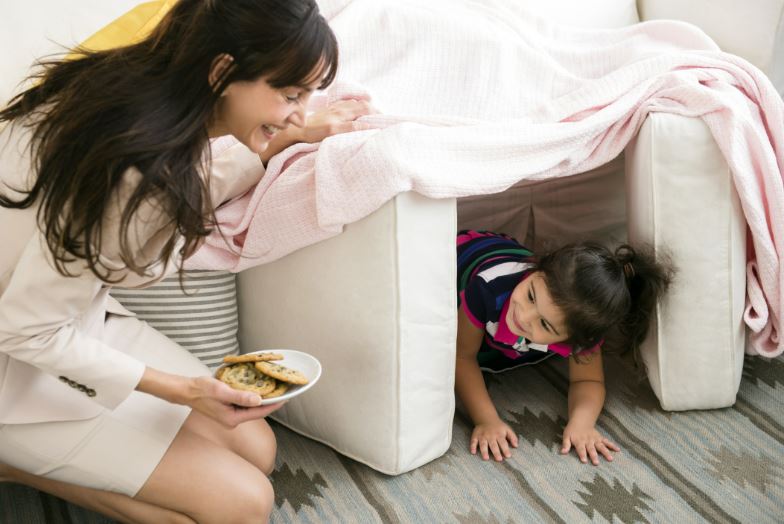
- Building houses from pillows
- Drawing imaginary worlds
- Making stories with toys
Creative play allows children to create something from nothing.
And that ability is powerful.
Why Creative Play Matters More Than Ever
We live in a world where information is everywhere.
Children don’t just need knowledge anymore they need the ability to:
- Think differently
- Solve problems
- Adapt to change
Creative play builds exactly these skills.
Skills Developed Through Play
- Critical thinking
- Flexibility
- Innovation
- Emotional expression
Children who engage in creative play often grow into adults who:
- Think independently
- Take initiative
- Solve problems creatively
The Brain on Play: What’s Happening Inside
When children play, multiple areas of the brain are activated.
- Imagination → builds creativity
- Movement → improves coordination
- Interaction → strengthens social skills
Creative play strengthens connections in the brain that are used for:
- Decision-making
- Planning
- Emotional control
Messy Play Is Powerful (Even If It Looks Like Chaos)
Many parents try to control mess.
But mess is often where the best learning happens.
- Examples of Messy Play
- Painting with hands
- Playing with mud
- Water play
- Sand exploration
What Children Learn From Messy Play
- Sensory awareness
- Experimentation
- Cause and effect
Mess allows children to explore freely without fear of being “wrong.”
Imagination: The Root of Innovation
Every invention started as an idea.
And every idea begins with imagination.
How Imagination Develops
When children pretend:
- A box becomes a car
- A stick becomes food
- A room becomes a jungle
They are practicing abstract thinking, a key skill for innovation.
The Role of Parents in Creative Play
You don’t need to control play.
You need to support it.
What to Do
- Provide materials (toys, paper, space)
- Encourage ideas
- Ask open-ended questions
What NOT to Do
- Over-direct
- Correct too much
- Interrupt creativity
Let the child lead.
Simple Play Ideas That Boost Creativity
You don’t need expensive toys.
- Easy Ideas
- Storytelling games
- Drawing and coloring
- Building with household items
- Role-playing
The simpler the activity, the more room for imagination.
Social Play: Learning Through Others
When children play together, they learn:
- Cooperation
- Communication
- Conflict resolution
These are life skills that cannot be taught through lectures.
Outdoor Play: Nature as a Classroom
Nature provides endless creative opportunities.
Benefits
- Freedom to explore
- Physical development
- Curiosity
Children who play outside often show higher creativity and confidence.
Technology vs Creative Play
Screens are part of modern life.
But too much screen time can reduce:
- Imagination
- Attention span
- Balance is key.
Encourage real-world play alongside technology.
Confidence Through Creation
When a child creates something, they feel proud.
This builds:
- Self-esteem
- Independence
Even small creations matter.
Long-Term Benefits of Creative Play
Children who engage in creative play are more likely to:
- Become problem-solvers
- Think independently
- Adapt to challenges
These are essential life skills.
Final Thoughts: Let Them Be Creative
Creative play may look simple.
But it is shaping something powerful the ability to think, imagine, and create.
Give children:
- Time
- Space
- Freedom
And watch what they become.