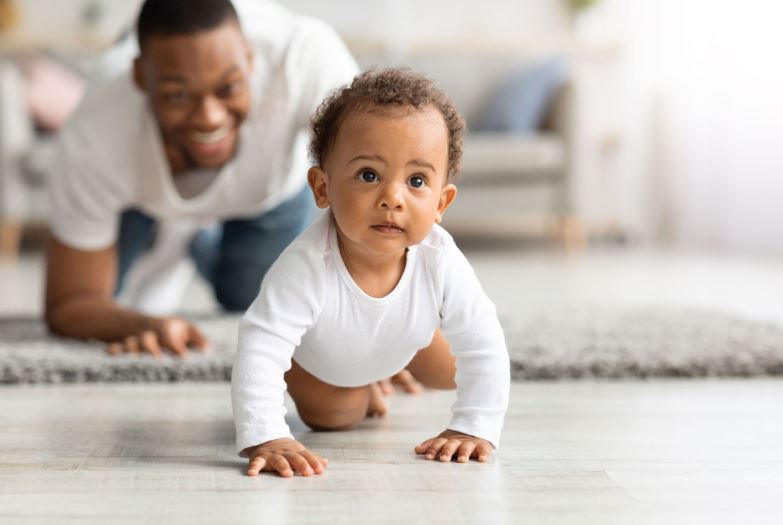
The moment a baby enters the world, everything changes not just for the parents, but for the child as well. That first cry is more than just a sound; it’s the beginning of a long, complex, and fascinating journey of growth.
Introduction: The Journey Begins Before We Even Notice
Most people celebrate the obvious milestones: the first smile, the first step, the first word. But what often goes unnoticed are the countless invisible changes happening every single day inside a child’s brain and body. Growth is not just what we see it’s what we don’t see that matters most.
From the first cry to the first words, a child is constantly learning, adapting, and building the foundation for the rest of their life. This journey is quiet, gradual, and deeply meaningful.
In this guide, we will explore that unseen journey in a way that feels real, relatable, and easy to understand just like how it happens in real life.
The First Cry: More Than Just a Sound
When a baby cries for the first time, it’s often seen as a simple reflex. But in reality, it’s a powerful signal of life and adaptation.
That cry means:
- The lungs are working
- The baby is responding to the environment
- The nervous system is active
It’s the baby’s first form of communication.
At this stage, babies don’t cry “for attention.” They cry because it’s the only way they can express needs hunger, discomfort, warmth, or closeness.
What Parents Should Understand
Responding quickly to a baby’s cry does not spoil them. In fact, it builds:
- Trust
- Emotional security
- A sense of safety
This early bond becomes the foundation for healthy emotional development later in life.
The Silent Growth Phase (0–3 Months)
This stage is often underestimated because babies seem to “do nothing.” But in reality, this is one of the most important periods of development.
What’s Happening Behind the Scenes
- The brain is forming millions of neural connections
- The baby begins recognizing voices
- Eye contact starts to develop
- Early emotional bonding begins
Even when a baby is just staring or lying quietly, their brain is incredibly active.
Small Signs That Mean Big Progress
- Following objects with their eyes
- Calming down when hearing a familiar voice
- Slight smiles (even before intentional smiling begins)
How to Support This Stage
- Talk to your baby often
- Maintain eye contact
- Use gentle touch and skin-to-skin contact
- Keep a calm environment
These simple actions help shape the baby’s brain in powerful ways.
The First Smile: Emotional Awakening (2–4 Months)
One day, almost unexpectedly, your baby smiles at you and everything changes.
This is not just a cute moment. It’s a sign of emotional and social development.
What That Smile Means
- The baby recognizes you
- Emotional connection is forming
- The brain is developing social awareness
Why This Stage Matters
This is when babies begin to understand that interactions are meaningful. When you smile and they smile back, they are learning:
- Cause and effect
- Emotional exchange
- Human connection
How to Encourage It
- Smile back often
- Talk in a warm tone
- React to their expressions
These interactions build emotional intelligence from a very early age.
Exploration Begins: Movement and Curiosity (4–9 Months)
At this stage, babies begin to explore the world physically.
What You’ll Notice
- Rolling over
- Sitting up
- Reaching for objects
- Putting things in their mouth
This is how babies learn they explore everything through movement and touch.
What’s Happening Internally
- Hand-eye coordination improves
- Memory begins forming
- Curiosity increases
Important Insight
Mess is part of learning.
When a baby drops things repeatedly, they are not being difficult they are experimenting and learning how the world works.
How to Support This Stage
- Provide safe objects to explore
- Allow freedom of movement
- Avoid over-restricting
Exploration builds intelligence.
The Power of Babbling: The Bridge to Language (6–12 Months)
Before babies speak real words, they go through a stage of babbling.
Sounds like:
- “ba-ba”
- “da-da”
- “ma-ma”
These may seem random, but they are actually the foundation of language.
Why Babbling Matters
Babbling helps babies:
- Practice mouth movements
- Learn sound patterns
- Prepare for real speech
What Most Parents Don’t Realize
Babies learn language by listening not by being taught formally.
How to Support Language Growth
- Talk throughout the day
- Describe what you’re doing
- Read simple books
- Respond to their sounds
The more language they hear, the faster they learn.
Standing, Falling, Trying Again: Building Confidence (9–15 Months)
This stage is full of effort, failure, and persistence.
What You’ll See
- Pulling up to stand
- Taking first steps
- Falling… many times
The Deeper Meaning
This stage teaches:
- Resilience
- Problem-solving
- Confidence
Every fall is part of learning.
What Parents Should Avoid
- Overprotecting
- Preventing all falls
- Showing panic
Children learn confidence when they are allowed to try.
The First Words: A Breakthrough Moment (12–18 Months)
Then comes one of the most unforgettable milestones the first word.
It may be:
- “Mama”
- “Dada”
- “Ball”
Why This Moment is So Powerful
This is when a child realizes:
“I can use sounds to express what I want.”
It marks the beginning of real communication.
What’s Happening Internally
- Memory and meaning connect
- Words become tools
- Understanding grows rapidly
How to Encourage Speech
- Repeat words clearly
- Name objects often
- Be patient and listen
Beyond Words: Understanding the Bigger Picture
By the time a child says their first words, they have already gone through an incredible unseen journey.
They have learned:
- Trust
- Emotional connection
- Movement
- Exploration
- Basic communication
All of this happens before most people even realize it.
Common Mistakes That Affect Early Growth
Even with good intentions, some actions can slow development:
- Too Much Screen Time
Reduces interaction and delays language development
- Ignoring Communication Attempts
Babbling and gestures are important
- Over-Controlling Exploration
Limits learning opportunities
- Comparing Children
Every child develops at their own pace
What Children Truly Need to Grow Well
At the core, development is not complicated.
Children need:
- Love
- Attention
- Communication
- Safe space to explore
- Patience
You don’t need expensive tools your presence is enough.
Conclusion: The Journey You Don’t See Matters Most
From the first cry to the first words, a child goes through a journey that is mostly invisible but incredibly powerful.
Growth is not just in milestones. It’s in the small, daily moments:
- A look
- A sound
- A movement
- A connection
These moments build the foundation for everything that comes later in life.
So the next time you watch a child, remember:
Even when it seems like nothing is happening, everything is happening.
Frequently Asked Questions (FAQs)
- When should a baby start smiling?
Around 6–8 weeks, babies begin to smile socially.
- Is it normal if my baby is not talking at 1 year?
Yes, many babies say their first words between 12–18 months.
- How can I help my baby talk faster?
Talk frequently, read daily, and respond to their sounds.
- Why do babies put everything in their mouth?
It’s how they explore and learn about their environment.
- Should I worry if my baby falls while learning to walk?
No, falling is a normal and important part of learning.
- Can too much screen time delay development?
Yes, especially language and social skills.
- What is the most important factor in early development?
Consistent love, interaction, and communication.
- Do all children develop at the same speed?
No, each child has their own pace.
- Is babbling important?
Yes, it’s the foundation of speech development.
- What should I do if I’m concerned about my child’s development?
Consult a pediatrician or child development specialist early.