Setting the Scene
Parenting advice often focuses on techniques, strategies, and outcomes. Parents are encouraged to manage behavior, improve routines, and guide development in specific ways. While guidance is helpful, it can sometimes overshadow one of the most important aspects of parenting: presence.
Presence is not about doing more. It is about being emotionally and mentally available during everyday moments. Small interactions listening, responding, sharing routines shape the quality of the parent–child relationship more than any single strategy.
This article explores practical parenting tips rooted in presence. It focuses on simple daily habits that strengthen connection, build trust, and support healthy development without pressure or perfection.
1. Understanding Presence in Parenting
Presence means being attentive and responsive in the moment. It does not require constant engagement, but it does require awareness.
Presence includes:
- Listening without distraction
- Responding thoughtfully
- Acknowledging emotions
When children feel seen and heard, connection deepens naturally.
2. Why Connection Matters More Than Control
Parents often feel pressure to correct behavior quickly. While boundaries are important, connection creates the foundation for guidance.
Strong connection supports:
- Cooperation
- Emotional regulation
- Trust
Children are more receptive to guidance when they feel connected.
3. Starting the Day With Intention
Mornings set the tone for the day. Small moments of connection in the morning support emotional security.
Helpful habits include:
- Greeting children warmly
- Making brief eye contact
- Speaking calmly
These moments communicate safety and care.
4. Listening as a Parenting Skill
Listening is one of the most powerful parenting tools. Children often communicate feelings indirectly.
Effective listening involves:
- Giving full attention
- Avoiding immediate correction
- Reflecting what is heard
Feeling understood supports confidence.
5. Responding to Emotions Before Behavior
Behavior often reflects underlying emotions. Addressing emotions first supports regulation.
Emotion-focused responses include:
- Naming feelings
- Offering reassurance
- Staying calm
This approach teaches emotional awareness.
6. Creating Predictable Routines
Routines provide structure and reduce stress. Predictability helps children feel secure.
Supportive routines include:
- Regular meal times
- Consistent bedtime rituals
- Clear transitions
Routines reduce uncertainty.
7. Small Moments of One-on-One Time
Connection does not require long periods. Short, focused moments matter.
Examples include:
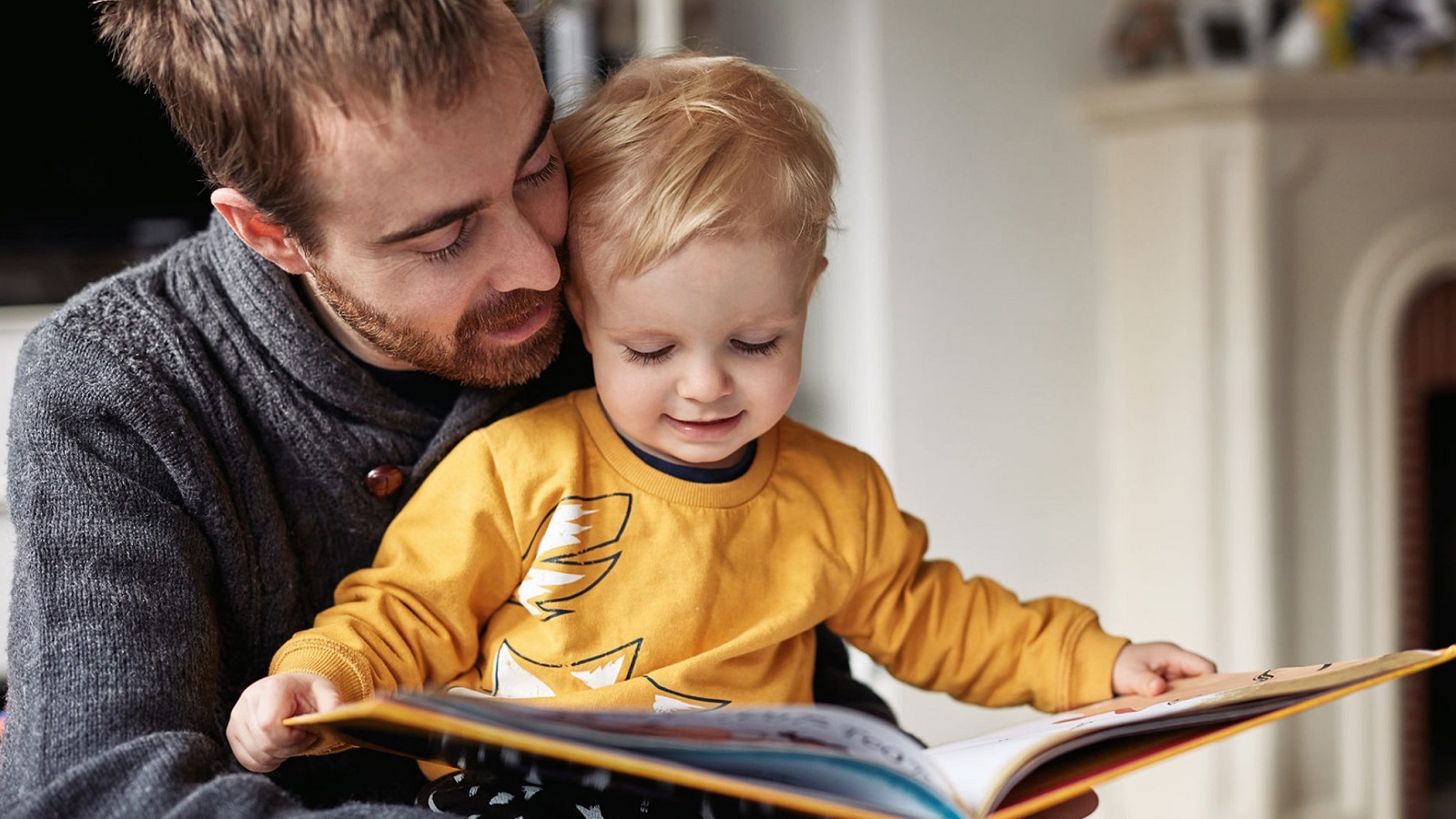
- Reading together
- Talking during tasks
- Sharing a brief activity
Quality matters more than quantity.
8. Modeling the Behavior You Want to See
Children learn more from observation than instruction.
Positive modeling includes:
- Calm communication
- Respectful behavior
- Problem-solving
Modeling shapes values.
9. Using Gentle Guidance Instead of Pressure
Pressure can create resistance. Gentle guidance supports cooperation.
Gentle approaches include:
- Offering choices
- Explaining reasons
- Staying patient
Guidance works best when respectful.
10. Encouraging Independence With Support
Independence grows through trust and opportunity.
Supportive independence includes:
- Allowing effort
- Offering help when needed
- Celebrating attempts
Confidence grows through practice.
11. Managing Parenting Stress Mindfully
Parent stress influences children. Managing stress supports healthier interaction.
Helpful practices include:
- Pausing before responding
- Taking short breaks
- Seeking support
Calm parents respond more effectively.
12. Communication That Builds Trust
Trust grows through honest, age-appropriate communication.
Trust-building communication includes:
- Clear explanations
- Consistent messages
- Respectful tone
Trust supports cooperation.
13. Using Everyday Tasks as Connection Opportunities
Daily routines can become connection moments.
Examples include:
- Cooking together
- Tidying up
- Walking and talking
Shared tasks encourage conversation.
14. Avoiding Comparison in Parenting
Comparing children or parenting styles increases pressure.
Healthy focus involves:
- Individual needs
- Personal values
- Realistic expectations
Every family is different.
15. Repairing After Difficult Moments
No parent responds perfectly all the time. Repair strengthens relationships.
Repair includes:
- Acknowledging mistakes
- Apologizing when appropriate
- Reconnecting
Repair teaches accountability.
16. Supporting Emotional Expression
Children need safe spaces to express emotions.
Support includes:
- Accepting feelings
- Avoiding dismissal
- Offering comfort
Expression supports regulation.
17. Setting Boundaries With Empathy
Boundaries and empathy can coexist.
Empathetic boundaries involve:
- Clear limits
- Understanding feelings
- Calm enforcement
This balance supports learning.
18. Making Time for Play and Joy
Shared joy strengthens bonds.
Joyful moments include:
- Play
- Laughter
- Relaxed conversation
Joy builds positive association.
19. Parenting as a Learning Journey
Parenting evolves with experience. Growth happens over time.
Learning includes:
- Reflection
- Adaptation
- Self-compassion
Growth supports confidence.
20. Building Long-Term Trust Through Daily Habits
Trust grows through consistency.
Daily habits that build trust include:
- Being reliable
- Following through
- Staying emotionally available
Trust supports lifelong connection.
Frequently Asked Questions (FAQs)
Do parents need to be present all the time?
No. Presence is about quality, not constant attention. Short, focused moments are meaningful.
How can busy parents practice presence?
By using everyday moments—meals, routines, brief conversations—as opportunities for connection.
What if a parent makes mistakes?
Mistakes are part of parenting. Repairing and reconnecting strengthens trust.
Is presence more important than discipline?
Presence supports effective discipline by building trust and cooperation.
Can presence improve child behavior?
Yes. Children who feel connected often show improved cooperation and emotional regulation.
Final Thoughts
Parenting with presence is not about perfection or constant activity. It is about showing up emotionally during everyday moments and building connection through simple, consistent habits.
When parents focus on presence rather than pressure, relationships strengthen, trust grows, and children feel supported as they learn and develop. Small daily actions create lasting bonds.