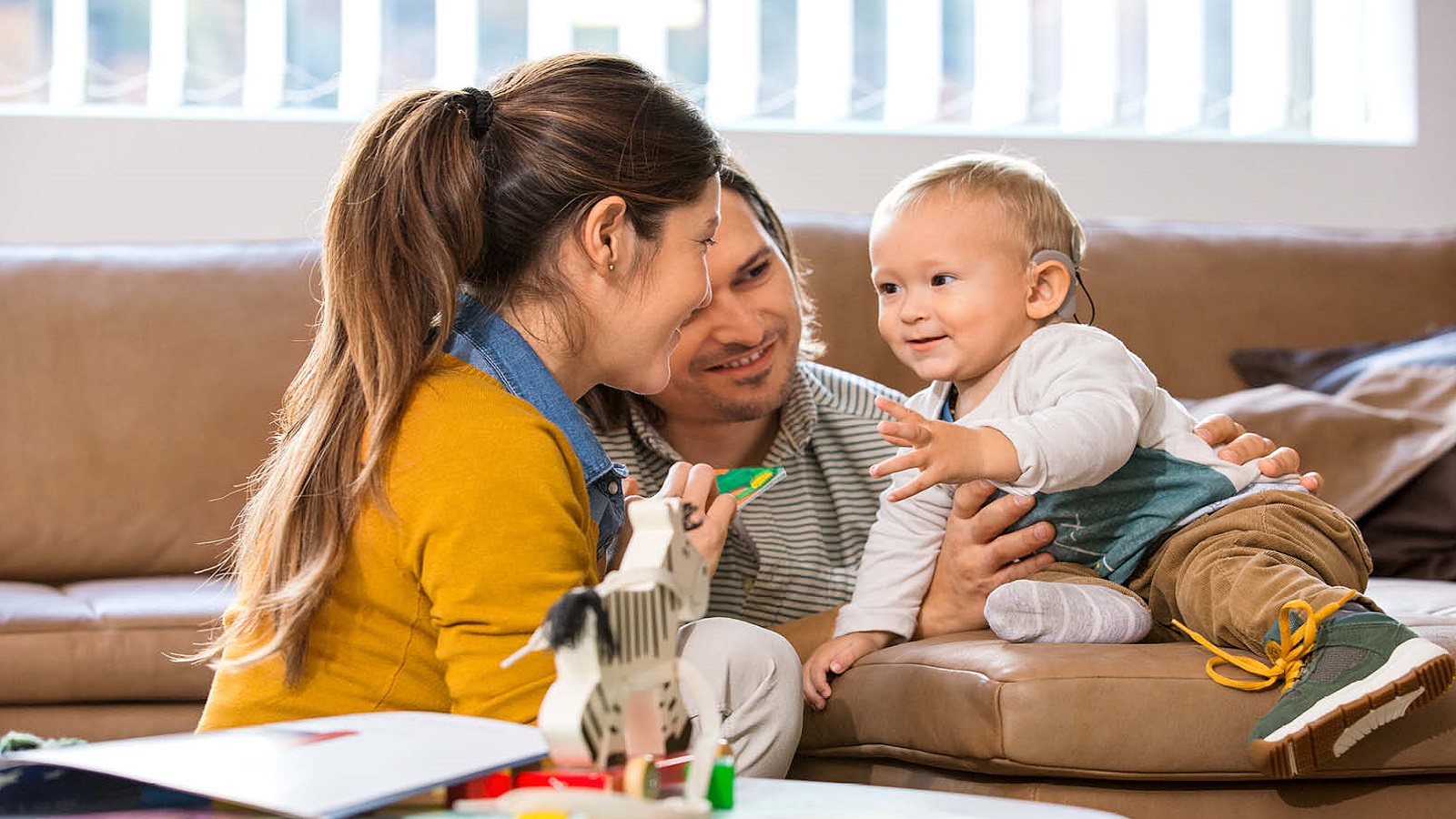
Setting the Scene
Speech, language, and communication development are often discussed using technical terms, milestones, and comparisons. Parents may worry about when a child should speak, how many words they should know, or whether their communication is developing “on time.” While general guidance can be useful, it sometimes creates unnecessary pressure and anxiety.
In everyday life, communication development is shaped quietly through interaction. Children learn to communicate not through drills or correction, but through meaningful exchanges—listening, responding, observing, and participating in shared moments. These interactions form the foundation for speech, language understanding, and effective communication.
This article explores speech, language, and communication development from a natural, everyday perspective. It focuses on how simple interactions support learning, why connection matters more than correction, and how caregivers can nurture communication skills through daily routines and responsive engagement.
1. Understanding Speech, Language, and Communication
Although often grouped together, speech, language, and communication represent different aspects of development.
Speech refers to:
- The sounds children make
- Pronunciation and clarity
Language refers to:
- Understanding words
- Using words and sentences
Communication includes:
- Gestures
- Facial expressions
- Turn-taking
- Eye contact
All three areas develop together through interaction.
2. Communication Begins Before Words
Communication starts long before a child speaks. Babies communicate through sounds, movement, and expression.
Early communication includes:
- Crying
- Smiling
- Eye contact
- Gestures
Responding to these early signals teaches children that communication is meaningful.
3. The Role of Listening in Language Development
Children learn language by hearing it used naturally.
Listening supports:
- Vocabulary growth
- Sentence structure
- Understanding meaning
Everyday conversations provide rich language input.
4. Talking During Daily Routines
Routines offer natural opportunities for communication.
Examples include:
- Talking during meals
- Naming actions while dressing
- Describing activities
Routine-based language is meaningful and repetitive, supporting learning.
5. Turn-Taking as a Communication Skill
Conversation is a shared process. Turn-taking begins early through interaction.
Turn-taking develops through:
- Pausing for response
- Waiting for signals
- Responding consistently
These exchanges teach conversational flow.
6. Using Simple, Clear Language
Clear language helps children understand and imitate.
Supportive language use includes:
- Short sentences
- Clear pronunciation
- Natural repetition
Simplicity supports comprehension.
7. Expanding Language Naturally
When children communicate, adults can gently expand their ideas.
Expansion includes:
- Adding one or two words
- Rephrasing with more detail
- Maintaining the child’s meaning
This supports language growth without pressure.
8. The Importance of Non-Verbal Communication
Communication is more than words.
Non-verbal communication includes:
- Gestures
- Facial expressions
- Body language
These cues support understanding and expression.
9. Play as a Communication Tool
Play creates opportunities for communication.
Through play, children practice:
- Storytelling
- Role-play
- Negotiation
Play-based communication feels natural and engaging.
10. Encouraging Communication Without Forcing Speech
Pressure to speak can increase frustration.
Supportive encouragement includes:
- Waiting patiently
- Responding to attempts
- Avoiding constant correction
Comfort supports confidence.
11. Reading Together to Support Language Development
Shared reading supports vocabulary and comprehension.
Reading together allows:
- Exposure to new words
- Discussion of ideas
- Turn-taking
Books provide rich language experiences.
12. Modeling Language Through Interaction
Children learn language by hearing it used.
Modeling includes:
- Describing actions
- Expressing thoughts
- Using varied vocabulary
Modeling shapes communication patterns.
13. Understanding Individual Communication Styles
Children communicate differently.
Differences may include:
- Pace of speech
- Preference for gestures
- Communication confidence
Respecting differences supports development.
14. Emotional Safety and Communication Growth
Children communicate more when they feel safe.
Emotional safety includes:
- Acceptance
- Encouragement
- Calm responses
Safety supports expression.
15. Supporting Multilingual Communication
Exposure to more than one language supports flexibility.
Supportive multilingual practices include:
- Consistent language use
- Natural interaction
- Positive reinforcement
Multiple languages can coexist successfully.
16. Reducing Screen Time During Communication Moments
Face-to-face interaction supports communication more effectively.
Reducing distraction allows:
- Eye contact
- Shared attention
- Meaningful exchange
Presence enhances learning.
17. Recognizing Progress Without Comparison
Communication development varies.
Healthy focus involves:
- Observing progress
- Celebrating effort
- Avoiding comparison
Every child follows a unique path.
18. Encouraging Questions and Curiosity
Questions support language growth.
Encouragement includes:
- Responding patiently
- Exploring answers together
- Valuing curiosity
Questions expand thinking.
19. Communication as a Social Skill
Communication supports relationships.
Social communication includes:
- Taking turns
- Listening
- Expressing ideas respectfully
These skills develop through practice.
20. Building Confidence Through Responsive Interaction
Confidence grows when communication attempts are valued.
Responsive interaction includes:
- Acknowledging effort
- Responding meaningfully
- Encouraging continuation
Confidence supports expression.
21. Everyday Challenges in Communication Development
Challenges are normal.
Supportive responses include:
- Patience
- Observation
- Consistent interaction
Challenges often resolve with time and support.
22. When to Seek Professional Guidance
This article does not replace professional advice.
Caregivers may consider guidance if concerns persist or communication difficulties significantly affect daily life.
23. Communication Development as a Long-Term Process
Communication continues to develop throughout childhood.
Growth occurs through:
- Experience
- Interaction
- Learning
Development is ongoing.
24. The Role of Caregivers in Communication Growth
Caregivers shape communication environments.
Supportive roles include:
- Being responsive
- Creating opportunities
- Modeling language
Caregivers are key partners.
25. Long-Term Impact of Strong Communication Skills
Strong communication supports:
- Learning
- Relationships
- Emotional expression
Early support creates lasting benefits.
Frequently Asked Questions (FAQs)
Is it normal for children to develop speech at different rates?
Yes. Speech and language development varies widely among children.
Should parents correct a child’s speech often?
Frequent correction is not necessary. Modeling correct language naturally is more effective.
How much talking should adults do with children?
Regular, meaningful conversation throughout the day supports development.
Can play really support communication skills?
Yes. Play provides natural opportunities for language use and social interaction.
Is this article a substitute for speech therapy?
No. This content provides general information only and does not replace professional assessment or therapy.
Final Thoughts
Speech, language, and communication develop through connection. Everyday interactions—talking, listening, playing, and responding—shape how children learn to express themselves and understand others.
By focusing on meaningful interaction rather than pressure or comparison, caregivers can support communication growth naturally and confidently. Small daily moments of connection build strong communication skills that last a lifetime.